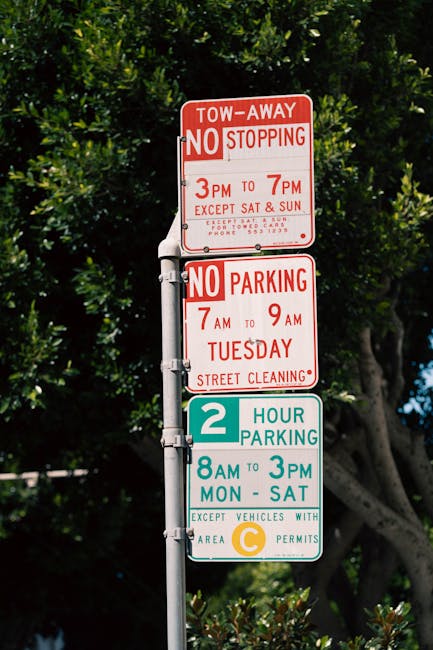
SW5 Removals and Parking Permit Hacks for Movers: A Practical Guide for a Smoother Move
Moving in SW5 can feel like a puzzle with a clock ticking in the background. Narrow streets, busy bays, controlled parking, awkward lift access, and the usual pile of boxes waiting by the door. If you are trying to keep costs down and avoid a stressful moving day, SW5 removals and parking permit hacks for movers can make a real difference. The trick is not some secret loophole. It is knowing how to plan parking, loading, timing, and vehicle access so the move runs cleanly from the first box to the last sofa.
This guide breaks the whole thing down in plain English. You will learn how parking permissions usually fit into a London move, how to avoid the classic mistakes, which methods actually save time, and when it makes sense to use professional help such as man with van services, removals, or even flat removals if your building is tight on access. To be fair, most moving problems in SW5 are not about lifting the furniture. They are about where the van can sit, for how long, and whether you have thought two steps ahead.
Why SW5 removals and parking permit hacks for movers Matters
SW5 includes busy residential streets, apartments with limited forecourts, and roads where stopping casually is not an option. That is why parking planning matters so much. If the van cannot park near the entrance, every box becomes a longer carry, the clock keeps running, and the whole day feels heavier than it should. The move itself may be straightforward. The parking rarely is.
There is also the question of neighbour relations. Nobody wants a removal van blocking access, idling in the wrong place, or causing a complaint before the first kettle has even been unpacked. In a place like SW5, where people are often sharing tight kerb space, a little forethought goes a long way. Sometimes the difference between a smooth move and a headache is as small as choosing the right loading window.
For movers, parking permit hacks are really about smart preparation. Not dodging rules. Not gambling with enforcement. Just making sensible choices that reduce walking distance, protect the property, and keep the crew productive. If you are moving a whole flat, you will notice the savings quickly. If it is a commercial move or a more complex setup, good parking planning becomes even more valuable. You can see how that fits with office removals or broader commercial moves where timing and access are everything.
The best parking "hack" in SW5 is usually not a hack at all: it is booking early, measuring access properly, and making the loading point as close as possible to the front door.
How SW5 removals and parking permit hacks for movers Works
The process starts with understanding the street, not the van. In practice, that means checking whether your address is in a controlled parking zone, whether loading is allowed at the time you need, and whether your removal vehicle needs a permit, visitor authorisation, or a temporary suspension of a bay. Different buildings add different wrinkles. A top-floor flat with no lift needs a different plan from a ground-floor move with a short walk from the kerb.
Usually, the move works best when the parking plan is built into the booking itself. A good mover will ask questions like: How long will loading take? What type of van is coming? Is there space for the tail lift? Can the vehicle wait near the building, or will it need to use a side street? Those questions may sound ordinary, but they shape the whole job. They also help avoid that awkward moment where everyone is ready, the sofa is in the hallway, and the van is three minutes away by foot. Not ideal. Not at all.
Parking permit hacks, in a legitimate sense, usually mean small process improvements. For example:
- choosing a loading time that matches quieter street conditions
- reserving the shortest sensible carry route
- using a smaller vehicle where access is tight
- splitting the load if a full-size truck would be awkward
- pre-booking professional help for the heaviest items so the van time is used efficiently
That last point matters. A service like removal van hire or removal truck hire can be matched to the street rather than forcing the street to fit the vehicle. In SW5, that kind of flexibility often saves more time than any last-minute improvisation.
Key Benefits and Practical Advantages
Done properly, parking planning gives you more than convenience. It reduces stress, keeps removal costs under control, and protects your belongings from unnecessary handling. That is the big one, really. The fewer times a wardrobe has to be moved from pavement to van to pavement again, the lower the risk of scuffs, slips, and frustration.
- Less carrying distance: shorter walks mean faster loading and less fatigue.
- Lower disruption: you keep pathways clearer for neighbours and building users.
- More predictable timings: if the van is parked correctly, the job stays on schedule.
- Better use of labour: movers spend time lifting and loading, not hunting for space.
- Less damage risk: fewer hand-offs and fewer tight turns in hallways reduce mishaps.
There is also a budget angle. If a move drags on because parking was poor, you may end up paying for extra time, extra mileage, or a second trip. Smart parking is one of the few areas where a little admin can genuinely save real money. That is why some people compare moving options carefully before deciding between man and van support and a larger-scale removal services package.
And for anyone moving on a tight schedule, the benefit is peace of mind. You do not want the day ruled by parking signs and guesswork. You want the first box out, the kettle in the right place, and the move moving. Simple as that.
Who This Is For and When It Makes Sense
This approach is useful for almost anyone moving into, out of, or within SW5, but it is especially helpful for people dealing with limited access. If your home is above street level, if the road is narrow, or if the parking situation changes by time of day, the parking plan becomes a core part of the move, not an afterthought.
It makes particular sense for:
- flat moves with shared entrances or stair-only access
- small family moves where time is tight and children are in the mix
- students moving in or out of shared accommodation
- landlords and tenants working around check-out and check-in windows
- office or studio moves where the van must load quickly and leave cleanly
- anyone using a smaller van to handle a partial load or same-day job
It also makes sense when you are balancing other moving tasks at the same time. Packing, disassembly, key handover, building access, and parking all compete for your attention. If that sounds familiar, you are probably a good candidate for support from packing and boxes or packing and unpacking services. Sometimes the smartest move is simply getting enough of the job off your plate.
Truth be told, this topic matters most when a move looks small on paper but feels larger on the day. One bedroom. Three flights of stairs. No lift. A van spot half a street away. That is where planning earns its keep.
Step-by-Step Guidance
If you want the move to run without drama, use a methodical approach. Not flashy. Just solid. Here is the sequence that tends to work best.
- Check the address and the street conditions. Look at the road layout, possible loading points, and whether the vehicle can reasonably stop near the entrance.
- Work out the vehicle size. A smaller van may be a better fit than a bigger one if the street is tight or the access is awkward.
- Estimate loading time honestly. Be conservative. A move that looks like an hour often takes longer once stairs and furniture are involved.
- Plan the parking approach early. If any permit, suspension, or authorisation is needed, do not leave it to the final week.
- Book the move around the best access window. Early starts can help, but only if your building and the street actually work at that time.
- Prepare a loading zone inside the property. Keep hallways clear so movers can move quickly without tripping over boxes and coat racks.
- Label the key pieces. Items like fragile boxes, cables, and essentials should be clearly marked so the team knows what goes first.
- Keep one person as the point of contact. Too many opinions at the doorway can slow everything down. It happens. More than it should.
A practical example helps. If you are moving from a third-floor SW5 flat, and the van can park close to the front door for thirty minutes, the crew can load in a clean rhythm. If the parking is half a block away, every round trip eats time and energy. The job is still possible, of course, but the mood changes. You can almost feel it in the pace.
If the move involves heavier items such as upright instruments, consider specialist support like piano removals. Heavy pieces are where parking, lift access, and handling all become tightly linked.
Expert Tips for Better Results
Here is where the little wins live. These are the kinds of habits that experienced movers rely on because they genuinely make the day easier.
- Measure the carry route. Door frame to van, van to lift, lift to curb. If the route looks awkward in daylight, it will feel worse on the day.
- Keep the van loading point obvious. A visible, sensible stopping place prevents confusion and reduces back-and-forth with neighbours.
- Use the right vehicle for the street. Bigger is not always better. In SW5, compact can be smarter.
- Protect the first and last items. The first pieces in and the last pieces out often take the most knocks.
- Build in a buffer. Things slip. Keys run late. Lifts are busy. Buffers stop small delays becoming expensive ones.
A small but useful tip: pack a "parking paperwork" folder. Keep permits, booking confirmations, contact numbers, and any access notes in one place. It sounds a bit fussy until you need it, then it feels like genius. Or at least like not losing your mind at 8:15 in the morning.
For larger property moves, especially when timing is sensitive, look at broader support too. A well-structured home moves package or even house removals can bring the right vehicle, the right labour, and the right timing together in one plan.
Common Mistakes to Avoid
Most moving headaches are preventable. That is the annoying part, but also the reassuring one. If you know the common mistakes, you can steer around them.
- Leaving parking too late: if you treat parking as a minor detail, it tends to become the biggest problem of the day.
- Assuming a van can stop anywhere: SW5 is not the place for casual assumptions about kerb space.
- Underestimating loading time: even a short carry can take ages if boxes are scattered through the property.
- Choosing a vehicle that is too large: a bigger van might mean more capacity, but it can be harder to place near the property.
- Not telling the mover about access issues: stairs, lifts, timed entry, and concierge rules all matter.
- Trying to improvise on the day: last-minute fixes are fine for pizza toppings, not parking plans.
Another mistake is forgetting what happens after the move. If you need temporary space while you sort out keys, repairs, or furnishing, storage can be a smart pressure valve. It is often easier to move once and store what you do not need immediately than to force everything into a cramped new flat. Storage can be the difference between a tidy move and a cluttered one.
And if you are disposing of old furniture at the same time, do not mix removal and disposal into one chaotic pile without a plan. Furniture removals or a scheduled furniture pick up can keep the move clean and the new place less crowded.
Tools, Resources and Recommendations
You do not need a van-load of fancy gadgets to manage a good SW5 move. A few basic tools and a decent process are usually enough.
- Measuring tape: useful for checking doorways, stair turns, and furniture clearances.
- Sticky labels and marker pens: the simplest way to keep boxes readable.
- Phone notes or a checklist app: handy for access times, parking instructions, and key collection details.
- Furniture blankets and straps: essential for keeping items stable in transit.
- Box cutters and tape: because nothing slows a move like hunting for scissors in the wrong room.
From a service perspective, it is worth comparing the moving support you actually need. A light move might suit man with a van or man with a van support, while larger or more involved jobs may suit a full removals team. If you are moving a full family home, the practical difference can be significant.
For a quote, clarity matters. Good pricing depends on access, volume, stairs, distance, and timing. If you want a clearer idea before you commit, see the company's pricing and quotes information. It is always better to ask the slightly boring questions before moving day than to guess and regret it later.
Law, Compliance, Standards, or Best Practice
Parking and moving in London sits inside a wider framework of local rules and sensible practice. The exact permit requirements, bay suspensions, or loading restrictions can vary by street and by time, so the safest approach is to treat them as a practical compliance issue rather than an afterthought.
Best practice usually includes the following:
- checking any parking restrictions before the move date
- making sure the vehicle position does not block emergency access
- keeping driveways, entrances, and footways as clear as possible
- following building rules on lift bookings and loading times
- using properly insured moving support where valuable items are involved
If you are booking a mover, insurance and safety should be part of the conversation. It is sensible to know how belongings are handled, what cover is offered, and what happens if something unexpected occurs. You can review the company's insurance and safety approach and, if needed, its health and safety policy. That kind of transparency matters. It really does.
There is also a basic duty to behave responsibly around neighbours, pedestrians, and shared spaces. That means avoiding unsafe lifting, not blocking access longer than necessary, and communicating clearly when a vehicle arrives or leaves. Professional movers should know this instinctively, but it helps when customers do too.
Options, Methods, or Comparison Table
Not every SW5 move needs the same setup. Some people need a light-touch solution; others need a full team and a bigger vehicle. Here is a simple comparison to help you decide.
| Option | Best for | Strengths | Limitations |
|---|---|---|---|
| Self-managed move with hired van | Very small moves or flexible schedules | Good control, can be budget-friendly | More effort, more risk if parking is tight |
| Man and van support | Studio flats, partial loads, local moves | Flexible, practical, easier in tight streets | May not suit large or complex jobs |
| Full removals service | House moves, multi-room flats, heavy furniture | More manpower, better coordination, less stress | Usually more involved to organise |
| Storage plus staged move | Uncertain key dates or refurbishment gaps | Flexibility, reduced pressure, less clutter | Can require a second movement later |
If you are still deciding, the safest question is: what will reduce friction on the actual day? In SW5, that often means choosing the method that makes parking easiest rather than simply choosing the cheapest headline option. Cheap can become expensive when a van cannot stop where it needs to.
Case Study or Real-World Example
Picture a two-bedroom flat move in SW5 on a damp Thursday morning. Nothing dramatic, just a standard local move with a few heavier items, a narrow stairwell, and a street where parking fills quickly. The family had packed boxes over several evenings, but the first plan for the van assumed a space right outside the building. That space was gone by the time the team arrived.
Instead of forcing the issue, the mover shifted to a closer side street, kept the carry route short, and used a smaller vehicle that could fit more cleanly into the available space. The client also had a short list of priority items ready by the door: documents, kettle, laptop bags, and one box of everyday basics. It was not glamorous, but it worked. The move stayed orderly, the crew did not lose time searching for access, and the final unload felt manageable rather than frantic.
What made the difference? Planning the practicalities before the furniture showed up. Not perfection. Just enough structure to keep the day on track. That is the real story behind most successful SW5 removals and parking permit hacks for movers: less heroics, more good judgement.
Practical Checklist
Use this checklist before moving day. It is simple, but it covers the bits people tend to forget when they are rushing.
- Confirm the move date, access time, and key collection details
- Check whether the street has parking or loading restrictions
- Choose the right van size for the property and access route
- Measure doorways, stair turns, and any awkward furniture pieces
- Label boxes by room and mark fragile items clearly
- Keep hallways, entrances, and stairwells clear
- Set aside a parking and access contact for the mover
- Prepare paperwork, permits, and booking confirmations in one folder
- Decide whether any items go to storage, disposal, or a second trip
- Pack an essentials box for the first night
If you can tick off those ten points, the move already has a much better chance of feeling calm. Not perfect, maybe. But calm enough to breathe. And that counts.
Get a free quote today and see how much you can save.
Conclusion
SW5 removals and parking permit hacks for movers are really about being organised in the right places. When the van can park properly, loading becomes faster, the team works better, and the whole experience feels less like a scramble. In a dense London area, that is not a small thing. It is the thing.
Whether you are moving a compact flat, a family home, or a business space, the winning formula is the same: understand access, plan parking early, use the right vehicle, and keep the process simple enough to execute under pressure. That is what removes the friction. That is what saves time. And, frankly, that is what saves your nerves on the day.
With a little planning and the right support, even a tricky SW5 move can feel pleasantly controlled. Maybe not exciting. But controlled is underrated.
Frequently Asked Questions
Do I need a parking permit for removals in SW5?
It depends on the street, the time of day, and the type of bay or loading area available. Some moves can be handled with careful timing and loading access, while others may need permit-related arrangements. Always check the local restrictions before moving day.
What is the best time of day for a SW5 move?
There is no universal best time, but quieter periods often make parking and loading easier. Early starts can help, although they only work well if your building access and local conditions suit them. In practice, the best time is the one that gives you the clearest access route.
Is a man and van service enough for a flat move in SW5?
Often, yes, especially for smaller flats, partial loads, or moves with limited furniture. If the property is larger or access is awkward, a fuller removals setup may be a better fit. It comes down to volume, stairs, and how tight the street is.
How can I reduce the time the van spends on the street?
Prepare boxes in advance, keep the entrance clear, label items properly, and choose a vehicle that can park close to the property. The less searching and reshuffling the team has to do, the faster the loading process usually becomes.
What should I do if parking near my building is impossible?
Switch to a shorter carry route if possible, use a smaller vehicle, and consider splitting the move into two stages. In some cases, storage or a staged delivery can be the smarter option. It is better to adapt than to force a bad parking setup.
Are parking "hacks" legal?
Only if they follow the rules. The goal should be efficient planning, not avoiding restrictions. Good practice means checking the bay, timing, and access properly so you stay compliant while still making the move smoother.
Should I book removal help if I only have a few rooms to move?
If access is easy, you may not need much support. But in SW5, even a small move can become difficult if the street is tight or the parking is awkward. A local same day removals option can be useful when timing is unexpectedly tight.
What if I need temporary space between homes?
Storage is often the cleanest fix. It lets you move in stages and avoids stuffing everything into a new place before you are ready. For many people, that small buffer makes the whole move feel much more manageable.
Can movers help with packing as well as transport?
Yes, and for busy moves that can be a huge relief. If you want to reduce the number of moving parts, services like packing and unpacking services can save time and lower the chance of last-minute chaos.
What is the biggest mistake people make with SW5 removals?
Underestimating access. People often focus on the number of boxes and forget the van, the street, the stairs, and the loading point. In SW5, the route from the property to the vehicle is often where the day is won or lost.
How do I know whether I need a full removals team or just a van?
Ask yourself how much furniture you have, whether there are stairs, and how easy parking will be. If you are moving a full household or dealing with heavier pieces, a more complete team is usually worth it. If the move is light and local, a van-based option may be enough.
Where can I get more information before booking?
You can review service details, safety information, and booking guidance through the relevant pages on the site, including about us and the company's contact us page if you need to ask about a specific move. A quick conversation can save a lot of guesswork later.